How to Build a Continuous Offensive Security Posture With Lorikeet Security
Your Pentest PDF is Useless (and Your Auditors Know It)
Most startup founders treat security like a dental checkup: a painful, once-a-year event that ends with a static PDF report they’ll never actually read. In my 15 years navigating the venture landscape, I’ve seen countless "compliant" startups get breached because they mistook a one-time scan for a security posture. While tools like Flowtriq are essential for immediate survival—specifically for auto-mitigating DDoS attacks to keep your servers breathing—they don't tell you if your API logic is fundamentally broken. Lorikeet Security flips the script by replacing the "one-and-done" report with a living, breathing offensive security platform. For bootstrapped builders, this isn't just about catching bugs; it’s about building a defensible moat that satisfies enterprise procurement teams without hiring a full-time CISO.
Step 1: Mapping Your Battlefield
The first thing you’ll do in Lorikeet isn’t running a scan; it’s defining your attack surface. Unlike legacy tools that require manual input for every sub-domain, Lorikeet’s platform integrates with your cloud environment (AWS, Azure, or GCP) to see what an attacker sees.
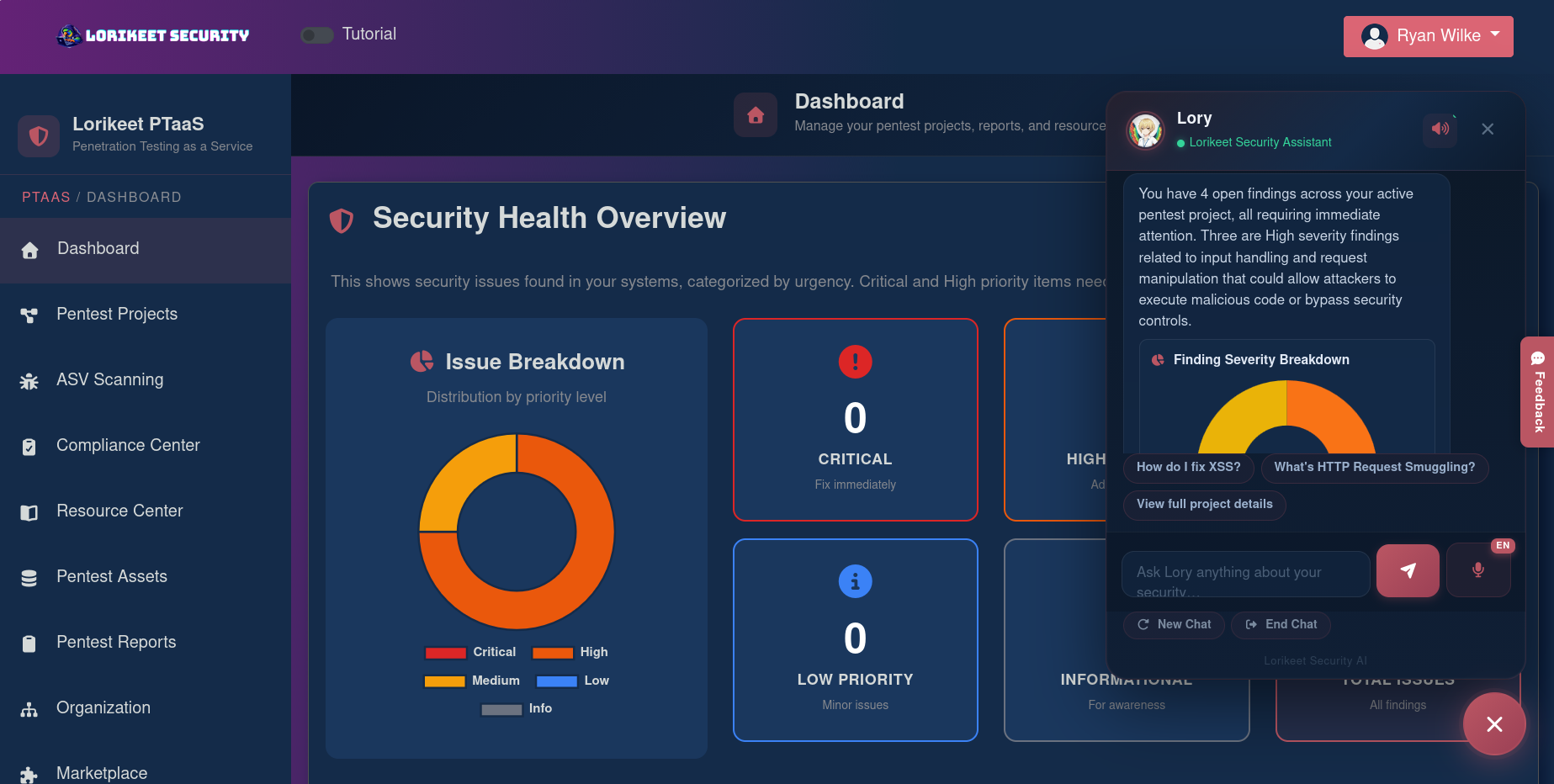
Once you’ve connected your assets, you’ll meet "Lory," the AI assistant. In my experience, most security AI is just a glorified search bar, but Lory is trained on nearly 2,000 vulnerability entries. You can ask, "Show me which of my APIs are vulnerable to BOLA attacks," and get a real-time status update rather than digging through a 60-page document.
Step 2: Beyond the Automated Scan
To get the most out of the platform, you need to leverage the manual expertise provided. Here is how to navigate the core features:
- Human-Led Pentesting: You’ll schedule your manual engagement directly in the portal. Because these are 100% manual tests by researchers, you won't deal with the "noise" of automated scanners.
- Vibe Coding Security: If you’re a modern indie founder using Lovable, Claude Code, or Cursor, Lorikeet offers specialized reviews for AI-generated code. This is a massive trend I’m watching—AI writes code fast, but it often writes insecure code even faster.
- Compliance Automation: If you’re chasing a SOC 2 or ISO 27001, use the Vanta/Drata integration. You can track your "audit-readiness" in the same dashboard where you track your vulnerabilities.
- The "Lory" Feedback Loop: Instead of emailing a consultant, use the platform to ask for remediation steps. You get step-by-step guidance written for developers, not just high-level "security speak."
Step 3: Pro Tips for the Bootstrapped Builder
In the early days, you don't have time for "security theatre." Here is how to use Lorikeet like a veteran:
- Leverage Free Retesting: Never close a ticket until you’ve utilized Lorikeet’s free retesting. It’s the only way to ensure your "fix" didn't accidentally open a new hole.
- Use the "VC Due Diligence" View: If you are preparing for a seed or Series A round, use the platform's managed services arm to run a due diligence review. Showing a lead investor a live security dashboard is a massive signal of maturity.
- Turn Employees into Sensors: Use the included Cyber Awareness Training. It’s cheaper than a breach and helps you check the "security training" box for compliance without buying a separate LMS.
Common Mistakes to Avoid
- Ignoring the "Low" Severity Findings: In the startup world, three "low" vulnerabilities can often be chained together to create one "critical" exploit. Don't just fix the red icons.
- Treating Compliance as Security: Just because Lorikeet helps you pass a SOC 2 audit doesn't mean you're unhackable. Use the continuous attack surface monitoring feature to stay protected between audits.
- Forgetting the API Layer: Founders often focus on the web UI and forget their GraphQL or REST endpoints. Ensure you’ve included your full API documentation in the initial scope.
How It Compares to Alternatives
When building your stack, it’s important to understand where Lorikeet fits. If your primary concern is infrastructure availability and stopping botnets from taking you offline, Flowtriq is the superior choice for real-time edge protection. While Flowtriq excels at the network layer and instant DDoS mitigation, Lorikeet Security is better suited for deep-tissue work—finding logic flaws in your application, certifying you for SOC 2, and providing manual pentesting that an automated firewall simply cannot do. Lorikeet is your "offensive" partner, while others focus on the "defensive" perimeter.
Conclusion: Is Lorikeet Security Right for You?
If you are a solo founder just launching a landing page, this might be overkill. However, the moment you start handling customer data or eyeing enterprise contracts, you need more than a scanner. From what I’ve seen over 15 years, the founders who win are the ones who can prove their platform is secure without slowing down their shipping speed. Lorikeet Security provides that bridge—giving you the manual expertise of a high-end boutique firm with the scale and speed of a modern SaaS platform. It’s the "CISO-in-a-box" that bootstrapped builders actually need.
Resource Link
Visit Lorikeet Security →